

The Long-Term Impact of Sound Exposure on Auditory Health
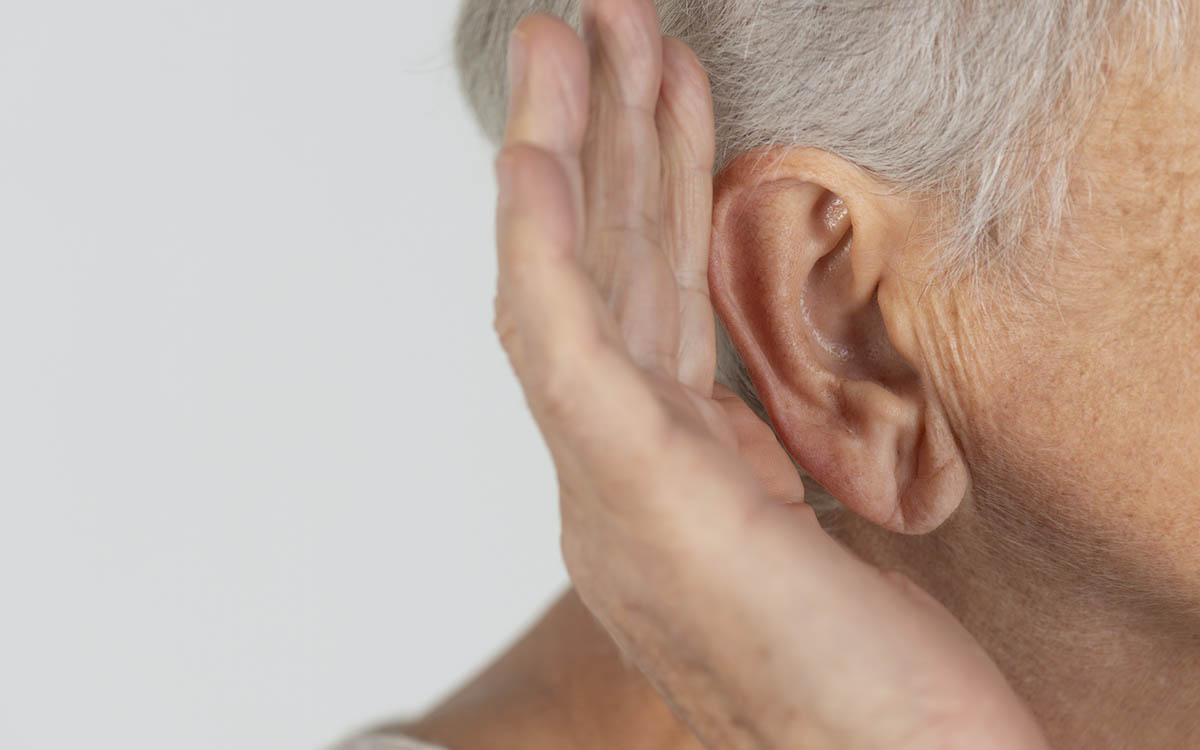
While many individuals correlate hearing loss to the aging process, yet for a vast number of citizens, physiological damage begins at a younger age. Noise-induced hearing loss represents a common, preventable auditory pathology, but it often occurs gradually and goes unnoticed until the effects are permanent.
An objective understanding of noise-related auditory impact over time is essential for implementing safeguards before substantial hearing loss manifests.
Pathophysiology of Noise-Related Acoustic Injury
Noise-induced hearing loss is characterized by the degradation of intricate inner ear components. Data from the CDC indicate that, sustained or frequent exposure to sounds exceeding 85 decibels, such as heavy traffic, can initiate auditory damage. Louder sounds, like those from concerts, power tools, or firearms, can cause damage in minutes or even seconds.
The inner ear contains microscopic sensory receptors known as hair cells. These units are responsible for translating sound waves into the electrical signals required for auditory perception. Because hair cells cannot repair or replace themselves once damaged, hearing loss resulting from noise is generally a permanent physiological state.
Analyzing the Accumulation of Auditory Impairment
It is clinically significant that noise-induced hearing loss often manifests through a slow, cumulative process. Early-stage symptoms resulting from noise exposure often include:
- Short-term episodes of Tinnitus or buzzing within the ears
- Post-exposure auditory dullness or perceived muffling of sound
- Reduced ability to distinguish vocal communication in loud surroundings
While these preliminary indicators may dissipate, this should not be mistaken for complete physiological recovery. Actually, subsequent noise events continue to degrade internal ear structures, steadily eroding hearing precision.
The hearing loss Association of America estimates that 48 million individuals in the US suffer from hearing loss, frequently with unidentified etiology.
Hazardous Acoustic Triggers contributing to Auditory Trauma
In our modern environment, individuals often develop a tolerance or desensitization to high-volume sounds. Consequently, the frequency of hazardous noise exposure is often underestimated.
Potential sources include:
- Live music venues and concerts
- Headphones played at high volumes
- Motorized landscaping equipment, power machinery, and vehicles
- Professional exposure to high-volume noise in manufacturing and labor industries
Since these noises are integrated into daily routines, cumulative damage often occurs without immediate clinical indicators.
Why Preventive Efforts Are Clinically Essential
A distinguishing factor of noise-induced hearing loss is the lack of clinical reversal options. Nevertheless, it remains a highly avoidable pathology. Adopting straightforward preventative behaviors can markedly decrease the likelihood of injury, including:
- Using earplugs or noise-reducing earmuffs in loud environments
- Lowering headphone volume and following the “60/60 rule”
- Taking listening breaks to give your ears time to recover
- Scheduling regular hearing evaluations if you’re frequently exposed to loud noise
Indicators to Seek Clinical Hearing Care
If you notice persistent ear ringing, difficulty following conversations, or changes in hearing clarity, you should seek evaluation from a hearing professional. Prompt clinical evaluation is vital for tracking auditory status and formulating effective hearing preservation plans.
Implementing protective measures today safeguards your auditory capacity for the years ahead. Environmental sound may be constant, but the development of hearing loss is not inevitable. Please contact our clinic to arrange a professional consultation regarding your auditory health.
Recent Posts
-
Vehicle Acoustics and Your Health: Assessing Car Noise and Hearing Loss Risk
You love your car. The independence that driving provides is irreplaceable to you, but could your choice of transport be quietly driving permanent acoustic trauma?… -
Understanding Nighttime Tinnitus: Why the Ringing Intensifies in Bed
It’s been a long day, and there’s nothing you’re looking forward to more than a good night’s sleep. You finally climb into bed, the house… -
Will Medicare Pay for Your Hearing Aids? The Facts Explained
Is coverage for hearing aids available through Medicare? The simple answer is no. Standard Medicare coverage does not include hearing aids. We understand this isn’t… -
Evaluating the Auditory Impact of Headphones and In-Ear Monitors
It is increasingly uncommon to observe a young adult in a public setting without an earbud in place. While traditional headphones are more substantial in… -
Cognitive Auditory Decline: Understanding Brain-Based Hearing Challenges
Most people think of hearing as something the ears do, which is partly true. Clinical evidence shows that auditory processing is a bilateral effort between…