

How Hearing Aids and Cochlear Implants Assist Babies With Hearing Loss
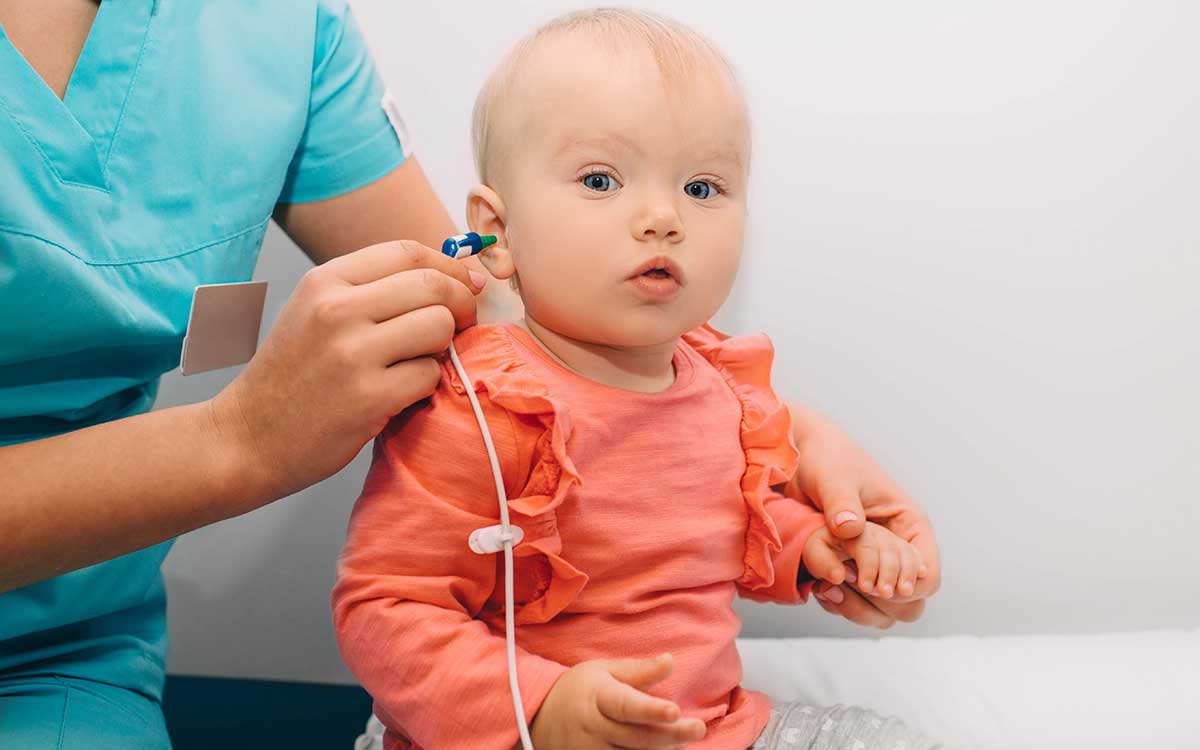
For parents of newborns, finding out that their baby has hearing loss will feel overwhelming and discouraging. But the good news is: With early detection and intervention, babies with hearing loss can thrive. Yes, they can even develop language, communication skills, and strong relationships with the world around them, leading to a dynamic, rewarding life!
Hearing aids and cochlear implants are two highly beneficial tools for assisting babies with hearing loss. Below, we will have a look at how they function and how to know which one is right for your child.
Understanding Infant Hearing Loss
Hearing loss in babies can be triggered by a variety of factors, including:
- Hereditary traits (even in the absence of a family background)
- Congenital infections like cytomegalovirus (CMV) or rubella
- Complications at birth, including lack of oxygen or prematurity
- Medications commonly administered in the NICU (Neonatal Intensive Care Unit)
Early detection is crucial. Infants in the United States go through hearing loss assessment before being discharged from the hospital. Pediatric hearing professionals follow the “1-3-6” standard:
- Screened by 1 month
- Diagnosed by 3 months
- Intervention (with hearing devices or therapy) begun by 6 months
Reaching these developmental milestones is essential for babies to achieve optimal progress in speech, language, and cognitive growth. For individualized advice on these screenings, don’t hesitate to reach out to your pediatrician.
Hearing Aids for Babies and Toddlers
For babies with mild to severe hearing loss, hearing aids are frequently the first avenue of treatment. These little, portable devices amplify audio signals, enabling infants to better detect and understand voices and surrounding noises.
Hearing aids are:
- Suitable for infants just a few weeks old
- Crafted with gentle, cozy earpieces that adapt according to the baby’s growth
- Offering secure battery doors and child-friendly design elements
- Custom-programmed by a pediatric audiologist to match your child’s hearing profile
As your baby grows, hearing aids will need to be adjusted regularly to guarantee correct fit and performance.
Cochlear Implants for Infants
A cochlear implant might be recommended for an infant with extreme to profound sensorineural hearing loss who does not receive sufficient benefit from hearing aids.
Unlike hearing aids, cochlear implants:
- Are embedded with a surgical procedure
- Bypass damaged parts of the inner ear
- Transform audio into electric impulses that directly stimulate the hearing nerve
Benefits of Cochlear Implants:
- FDA-approved for infants as young as 9-12 months
- Achieve best results in combination with therapy at an early stage and family support
- Only suggested after a complete evaluation by an audiologist and an ENT specialist
This process includes imaging, hearing exams, and discussions about long-term expectations and outcomes.
How Cochlear Implants Contrast from Traditional Hearing Aids
Hearing aids:
- Mild to severe hearing loss
- Non-Invasive
- Sound processing amplification
- Starts at Infancy
Cochlear Implants:
- Severe to profound hearing loss
- Invasive (Surgical)
- Converts Sound Electrical Signals
- Starts at 9-12 Months
Hearing Aids vs. Cochlear Implants: Concluding Thoughts
After a diagnosis of hearing loss in your baby, numerous solutions and resources are accessible to assist you get through this experience. Because of the expertise of hearing specialists who work with children, most young patients are able to obtain language skills that are comparable to those of their peers.
Taking prompt action can have a far-reaching and lasting impact on a child’s life, irrespective of whether they need hearing aids or cochlear implants to deal with their hearing needs.
Have questions about your baby’s hearing health? Reach out to us today for a complete assessment and individualized care plan.
Sources:
cdc.gov/ hearing-loss-children-guide/ parents-guide/understanding-hearing-loss. html.
boystownhospital.org/knowledge-center/hearing-aids-babies.
hopkinsmedicine.org/health/treatment-tests-and-therapies/cochlear-implants/childrens-.
cochlear-implants.
dukehealth.org/blog/hearing-aids-vs-cochlear-implants.
Recent Posts
-
Vehicle Acoustics and Your Health: Assessing Car Noise and Hearing Loss Risk
You love your car. The independence that driving provides is irreplaceable to you, but could your choice of transport be quietly driving permanent acoustic trauma?… -
Understanding Nighttime Tinnitus: Why the Ringing Intensifies in Bed
It’s been a long day, and there’s nothing you’re looking forward to more than a good night’s sleep. You finally climb into bed, the house… -
Will Medicare Pay for Your Hearing Aids? The Facts Explained
Is coverage for hearing aids available through Medicare? The simple answer is no. Standard Medicare coverage does not include hearing aids. We understand this isn’t… -
Evaluating the Auditory Impact of Headphones and In-Ear Monitors
It is increasingly uncommon to observe a young adult in a public setting without an earbud in place. While traditional headphones are more substantial in… -
Cognitive Auditory Decline: Understanding Brain-Based Hearing Challenges
Most people think of hearing as something the ears do, which is partly true. Clinical evidence shows that auditory processing is a bilateral effort between…