

Does Hearing Loss Worsen As You Get Older?
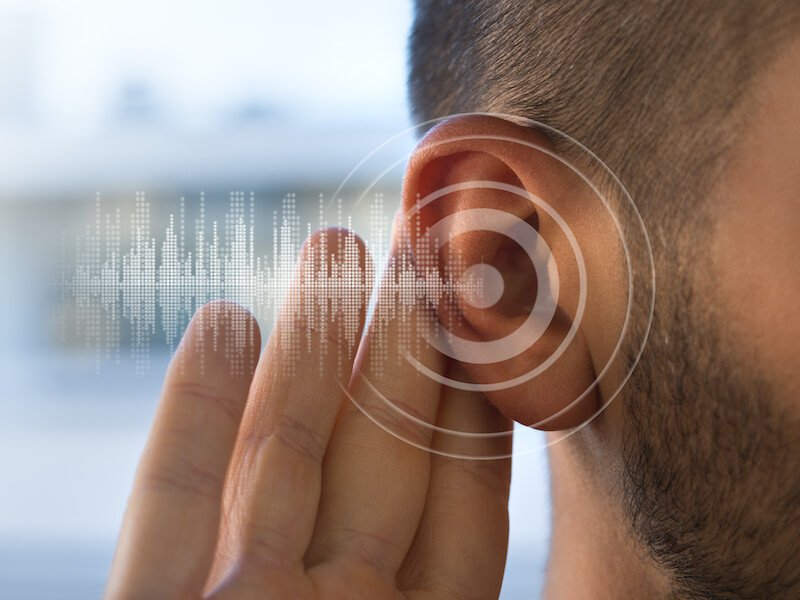
Is age a factor in the advancement of hearing loss? Hearing loss is a common gradually progressing condition that impacts all adults. In fact, over 50% of individuals 75 and older have a hard time hearing.
Presbycusis
Presbycusis is defined as age-related hearing loss or the gradual process of hearing loss as we age. There is no one definitive cause for this to happen, but it is usually considered to be a combination of many factors.
Changes occur in our inner ear as we grow older. There are little hair cells in our inner ear that help us to hear. They pick up sound waves and change them into nerve signals that our brain utilizes to translate sound.
The beginning of hearing loss occurs when the hair cells become damaged or die. Hearing loss that is the outcome of damage to these hairs is permanent as these hairs never restore.
The following are some causes of hearing loss:
- Hearing loss runs in familiess.
- Wearing headphones when listening to loud music can increase the risk.
- Hearing loss risk is increased by some drugs including chemotherapy drugs.
- Exposure to loud noise frequently over long periods of time.
- The risk of hearing loss is raised by smoking.
- Specific medical conditions like diabetes can result in hearing loss.
Typical symptoms of age-related hearing loss
Typical symptoms of presbycusis include lack of clarity when people speak, trouble hearing soft voices including children, and trouble hearing when there’s background sound.
Additionally, increasing the TV volume, asking others to repeat what they said, and ringing in your ears can also be signs of hearing loss.
The benefit of managing age-related hearing loss
Neglected hearing loss reduces quality of life. Anxiety, depression, despair, social isolation, jeopardized relationships, and an increased risk of developing dementia are all ways that neglected hearing loss can have a negative effect on your quality of life.
Instead of these issues, consider possible treatments, including hearing aids, sign language for individuals with extreme hearing loss, telephone amplifiers, lip reading, or a cochlear implant.
Struggling with age-related hearing loss isn’t something that anyone should have to do. You can still have a full and enjoyable life.
If you or someone you love is dealing with hearing loss, contact us today to schedule a hearing assessment!
References
Older Adults — Hearing Health Foundation
Hearing Loss: A Common Problem for Older Adults | National Institute on Aging (nih.gov)
Seniors and Hearing Loss – American Academy of Audiology
Recent Posts
-
Vehicle Acoustics and Your Health: Assessing Car Noise and Hearing Loss Risk
You love your car. The independence that driving provides is irreplaceable to you, but could your choice of transport be quietly driving permanent acoustic trauma?… -
Understanding Nighttime Tinnitus: Why the Ringing Intensifies in Bed
It’s been a long day, and there’s nothing you’re looking forward to more than a good night’s sleep. You finally climb into bed, the house… -
Will Medicare Pay for Your Hearing Aids? The Facts Explained
Is coverage for hearing aids available through Medicare? The simple answer is no. Standard Medicare coverage does not include hearing aids. We understand this isn’t… -
Evaluating the Auditory Impact of Headphones and In-Ear Monitors
It is increasingly uncommon to observe a young adult in a public setting without an earbud in place. While traditional headphones are more substantial in… -
Cognitive Auditory Decline: Understanding Brain-Based Hearing Challenges
Most people think of hearing as something the ears do, which is partly true. Clinical evidence shows that auditory processing is a bilateral effort between…