

How Often Should You Get Your Hearing Aids Professionally Cleaned?
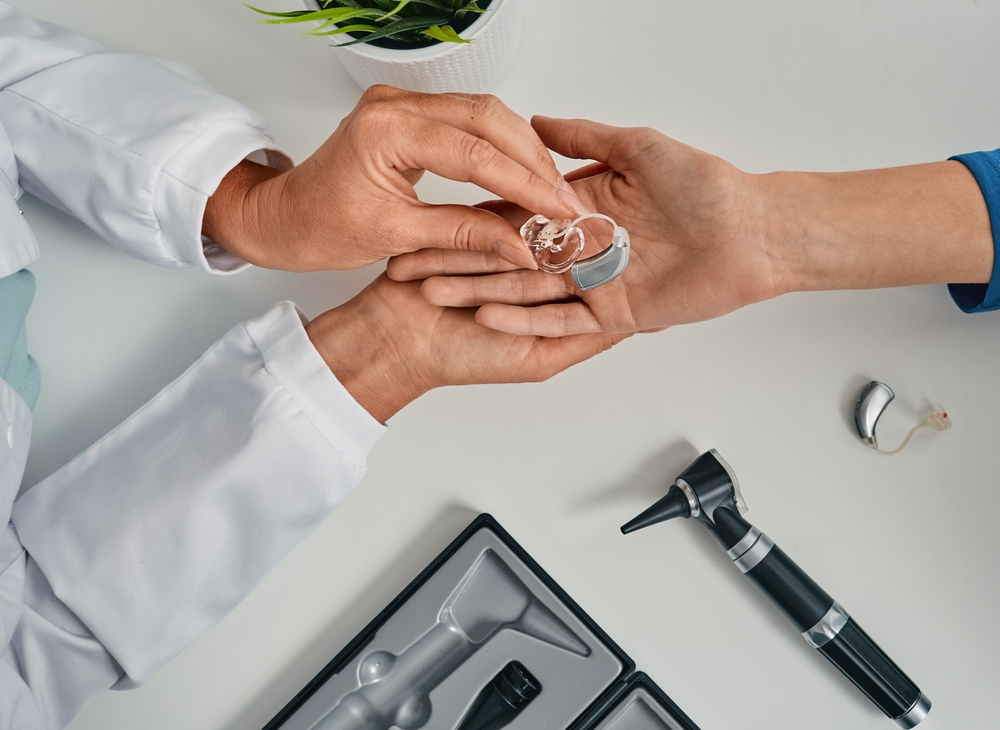
Hearing aids are vital for strengthening day-to-day communication by improving the clarity of sound. For ideal performance, it’s essential to schedule periodic upkeep and routine expert cleaning sessions. As an outcome of prolonged use, a buildup of earwax, moisture, and other particles can happen, causing performance to decline. Recognizing when to find professional cleaning can help extend the longevity of your hearing aids and maintain optimum performance.
Why it’s important to have your hearing aids professionally cleaned
Despite routine maintenance at home, hearing aids can slowly accumulate debris that might affect how well they work and the quality of sound they generate. Routine servicing provides a number of advantages:
- Thorough Sanitizing– Effectively eliminates obstinate earwax, dust, and moisture that regular cleaning methods often miss.
- Enhanced efficiency – Removes barriers that might cause muted audio or distortion.
- Improved Longevity – Helps to avoid early degeneration, thereby reducing the need for repairs or replacements.
Getting your hearing aids cleaned by a specialist helps ensure they work at their best, reducing the likelihood of unforeseen malfunctions.
Indications your hearing aids need professional servicing
If you’re uncertain whether it’s time for a professional cleaning, look for these common warning signs:
- Unclear or Jumbled Audio: If voices and background sounds seem feeble, muffled, or altered, the issue might be caused by obstructions, including earwax or debris, obstructing the device’s microphone or speaker.
- Constant Feedback or Screeching: A squealing noise at a high pitch (feedback) could suggest a blockage from earwax or an ill-fitting device. Professional cleaning can help in clearing obstructions and fine-tuning the fit accurately.
- Troubleshooting Volume Problems: When volume adjustments fail to yield the expected outcome, it may be necessary to perform maintenance on internal parts or recalibrate the system’s software configurations.
- High humidity can impact the device’s internal components, causing random audio interruptions or faulty button control. A skilled expert can assess and resolve issues related to dampness or water damage.
- Visible Wax or Gunk Build-up: If you notice a significant accumulation of wax or debris on your hearing aids, professional cleaning ensures a more thorough clearing than at-home care.
- Employ specialized instruments to carefully extract wax, debris, and moisture from sensitive components without doing damage.
- Verify the correct performance by examining and fixing any broken parts.
- Examine both software and hardware to identify any performance problems that might be impacting the quality of sound.
- Switch out worn-out filters or tubing that might be impede device performance.
- Standard maintenance should be carried out every 3 to 6 months.
- Regular cleanings are suggested for people who tend to generate a lot of earwax or live in areas with high humidity, as these environments can intensify wax accumulation.
- Managing small issues quickly can help avoid expensive repairs down the line.
What to expect in the course of a professional hearing aid cleaning
A thorough cleaning service not only keeps your devices in good working order but also assures top performance and efficiency. Here a few things your hearing specialist will accomplish during a cleaning:
What is the recommended time frame for setting up professional maintenance?
The regularity of professional cleanings relies on factors such as earwax production, humidity levels, and usage practices. General recommendations include:
Keep your hearing aids in great condition
Routine professional upkeep is crucial for preserving your hearing aids and ensuring clear, high-quality sound.
If distorted sound, echoing, or technical issues are disrupting your experience, it’s likely that a thorough, expert cleaning is in order.
Set up an appointment for your hearing aid cleaning and maintenance now.
Recent Posts
-
Contemporary Hearing Instruments: A Complete Departure From Legacy Devices
A primary reason individuals put off addressing auditory deficits is the assumption that assistive devices will be unsightly or awkward to wear. This hesitation is… -
How to Pay for Hearing Aids: HSA, FSA, Insurance & Financing Options
For individuals evaluating advanced auditory technology, the upfront capital required is frequently the first noticeable factor. Depending on the technology and level of care involved,… -
How Hearing Aids Stimulate the Brain and Support Cognition
It is common knowledge that ears detect sound, yet the central nervous system is what truly allows us to hear. The peripheral auditory system gathers… -
Enriching Your Daily Experience with Bluetooth Hearing Aids
Connection defines the modern world, whether through social interaction, entry to data, or hearing-based interactions. Staying socially active can be a struggle for those with… -
Exploring and Understanding Every Type of Hearing Aid
Selecting the right hearing aid can be an arduous task, given the wide array of styles, sizes, and technological features available in modern devices. Rest…